Deciding to homeschool is exciting — and then the paperwork questions start. Do you have to register? With whom? Are there tests? What about record-keeping? The good news is that Tennessee homeschool laws are more straightforward than most parents fear, and once you understand the handful of pathways and rules, the process is very manageable. This guide breaks it down in plain English so families here in Gallatin, TN can move forward with confidence instead of second-guessing every form.
One important note before we start: this article is a general overview, not legal advice. Homeschool rules can change from year to year, so always confirm the current requirements with the Tennessee Department of Education and, if you use one, your umbrella school or curriculum provider. With that said, here is the lay of the land.
Tennessee Homeschool Laws: The Three Legal Pathways
Tennessee gives families three recognized paths to educate a child at home. They all lead to the same place — a legally homeschooled student — but the registration and record-keeping look different for each.
- Independent home school. You register directly with your local school district and manage the requirements yourself.
- Church-related umbrella school. You enroll through an approved non-public school that permits home-based instruction, and that school oversees registration and record-keeping.
- Accredited online or virtual school. Your child enrolls in an accredited online program, which is generally treated as enrollment in a school rather than independent homeschooling.
Most families weighing their options are choosing between the first two. The independent route gives you the most control; the umbrella-school route trades a little of that control for a lot less paperwork. Understanding both is the key to picking what fits your family.
Tennessee Homeschool Requirements at a Glance
Here is how the three pathways compare on the questions parents ask most. The independent column comes from the Tennessee Department of Education’s Independent Home School Requirements (revised June 2026). For the other two, the school you enroll with sets the details, so ask them directly.
| Independent home school | Church-related umbrella school | Accredited online school | |
|---|---|---|---|
| Who registers | You, with your local school district’s home school coordinator | The umbrella school | The online school (enrollment) |
| When | First year: anytime. After that: a new form before each school year | Per the umbrella school | Per the school |
| Parent education | High school diploma or equivalency, with proof sent in with the form | Set by the umbrella school | Not applicable (the school teaches) |
| Instruction | At least 4 hours a day, 180 days a year | Set by the umbrella school | Set by the school |
| Records | Attendance submitted to the district at the end of each year | Kept by the umbrella school | Kept by the school |
| Testing | Grades 5, 7 and 9 | Set by the umbrella school | Set by the school |
| Diploma and transcript | Created by the parent-teacher | Issued by the umbrella school | Issued by the school |
What Independent Home Schoolers Must Do
If you register as an independent home school, you take on the compliance yourself. The core requirements are not complicated, but they matter, and they are the part of Tennessee homeschool laws parents ask about most:
- File an Intent to Home School form. Send it to your local district’s home school coordinator (some districts use an electronic form). The first time, you can register anytime; there is no first-year deadline. After that, file a new form before the start of each school year.
- Send proof of your education. The parent-teacher needs a high school diploma or equivalency credential, and proof goes in with the intent form.
- Name your curriculum. You choose and buy it, and the district will ask you to identify it.
- Hit the instruction minimum. At least four hours of instruction a day for 180 days a school year.
- Submit attendance records. Keep them all year and turn them in to the district at the end of each school year. The district can inspect them at any time.
- Test in grades 5, 7 and 9. Either a nationally normed test you pick (English language arts and math, proctored by someone not related to your child), or the same state test public-school students take (currently TCAP for grades 3-8). Results go to you, the district and the State Board of Education.
- Keep grades and create the diploma. The parent-teacher keeps grades and transcripts and creates the high school diploma. The state and the district don’t issue one.
None of this is out of reach — plenty of Tennessee families do it every year. But it is real administrative work, and it is on you to keep it organized. That is exactly why the second pathway exists.
How the Umbrella School Model Simplifies Compliance
A church-related umbrella school is an approved non-public school that allows home-based instruction. When you enroll your child through one, the umbrella school takes over registration — you generally don't file a separate Notice of Intent with the district — and it sets its own record-keeping and testing expectations, which are often simpler than the independent route. For a lot of families, that trade is well worth it: less state paperwork, clear transcripts, and a partner who already knows the rules.
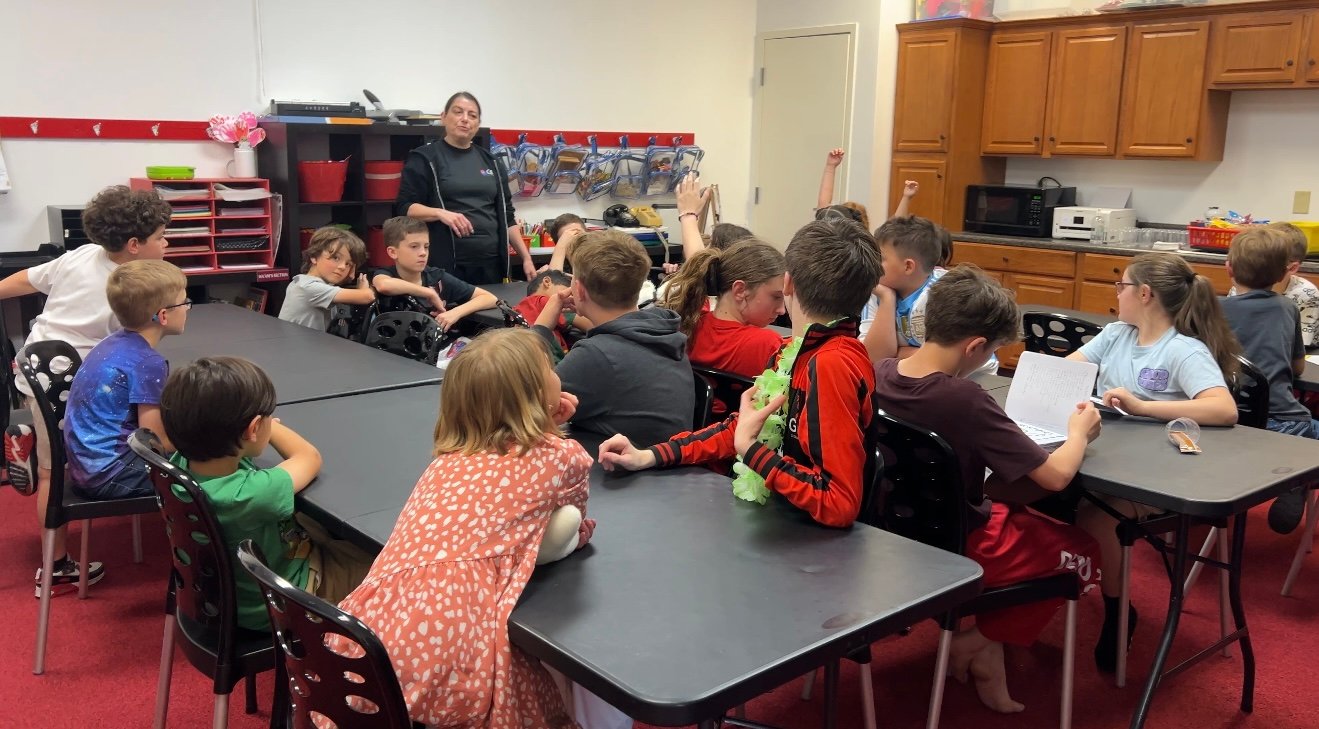
This is the model our homeschool program is built around. GMA Academy follows Tennessee's umbrella school model through our accredited curriculum partners, so students receive official transcripts and parents receive documentation compliant with state filing. Instead of assembling compliance on your own, you get a full-day K-12 academy — Monday through Friday, 10 AM to 5 PM, inside our 6,000 sq ft campus — with dedicated teachers, accredited curriculum, and the records handled for you. If you're comparing structures, our hybrid homeschool option lets you split time between campus and home, and our program is genuinely more than a co-op when it comes to teacher support.
To be clear, enrolling with an umbrella school doesn't erase your responsibilities as a parent — you still choose curriculum options, stay involved, and make sure your child is learning. What it does is remove the guesswork and much of the filing burden, which is why so many families in Sumner County find it the least stressful way to homeschool.
Homeschool Curriculum in Tennessee: What the State Requires
Tennessee doesn’t hand homeschool families a curriculum. On the independent path, you choose and buy it yourself, and your district asks you to name it when you register. That freedom is a big reason families homeschool, but it also means the quality of your child’s education comes down to the materials you pick.
A few things to weigh when you compare homeschool curriculum in Tennessee:
- Testing years. Independent students test in English language arts and math in grades 5, 7 and 9, so make sure your curriculum covers those subjects well before each testing year.
- Transcripts. If your child is headed to high school credits or college, a curriculum that produces a clean transcript saves you a lot of work later. On the independent path, you create the transcript and diploma yourself.
- Accreditation. Accredited programs carry more weight if your child ever re-enters a public or private school. Returning students may be tested for placement, and high schoolers may be tested for credit.
- Faith and fit. Many families want a Christian-based option; others want secular. Pick what matches your values and how your child learns.
At GMA, students learn from an accredited K-12 curriculum taught on-site by dedicated teachers and tutors, with a Christian-based option for families who want one. Our curriculum partners issue official transcripts, so that piece is covered too.
Starting Mid-Year or Switching From Public School
You don’t have to wait for August. The state says there is no deadline for registering for independent home school the first time, so families can make the switch mid-year. File the Intent to Home School form with your district’s home school coordinator (the list is on the TN Department of Education home school page), send proof of your education, name your curriculum, and start keeping attendance from day one. If you’d rather hand the paperwork to an umbrella school, talk to them before you withdraw so there’s no gap.
Don't Overlook Physical Education and the Whole Child
Homeschool planning tends to focus on academics and forms, but a complete education includes physical activity, character, and social time too — and those are easy to let slip when you're teaching at the kitchen table. It's one of the most common gaps families tell us about after their first year on their own.
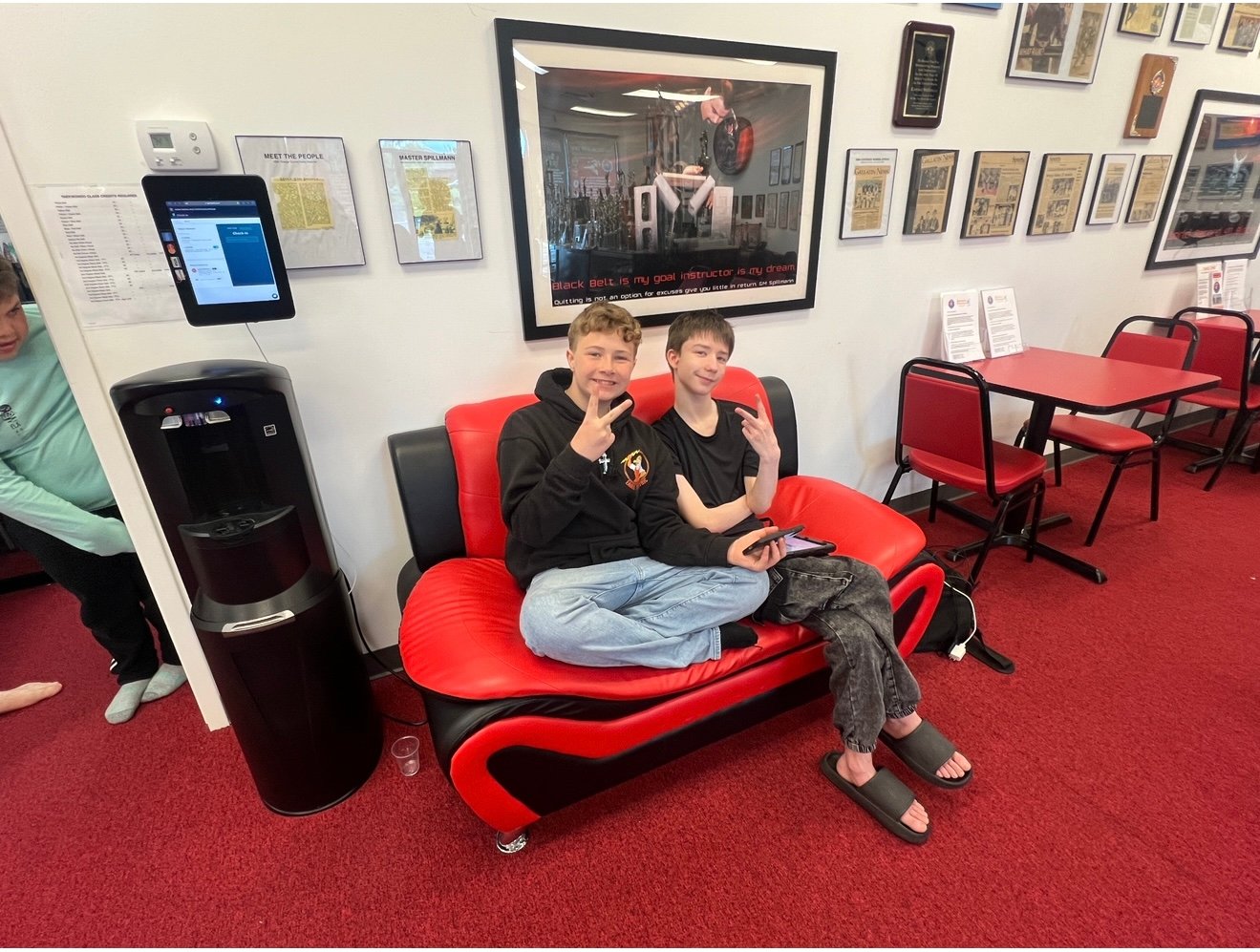
Every GMA homeschool student receives structured physical education through our martial arts program — no separate gym membership or PE class to arrange. Kids build coordination, discipline, and fitness while practicing respect and teamwork with peers, so the whole-child pieces are covered inside the same daily schedule as their academics. You can learn more about our team, our history, and our approach on the about page.
Homeschool in Gallatin Without the Guesswork
Schedule a free consultation and tour our 6,000 sq ft campus in Gallatin, TN. We'll walk you through the paperwork, the curriculum options, and how GMA keeps your family compliant — so you can focus on your child, not the forms.
Book a ConsultationOr call us at (731) 324-3850
Frequently Asked Questions
It depends on the path you choose. As an independent home school, you file an Intent to Home School form with your local school district. The first year you can register anytime; after that, a new form is due before each school year. If you enroll through a church-related umbrella school, that school handles registration for you, so you don’t file a separate notice with the district. Always confirm the current process with your district and your umbrella or curriculum provider.
The parent-teacher needs a high school diploma or equivalency credential, must provide at least four hours of instruction a day for 180 days a year, and must submit attendance records to the district at the end of each school year. Students in grades 5, 7 and 9 take either a parent-selected nationally normed test or the state test used in public schools. The parent keeps grades and transcripts and creates the diploma. Because rules can change, verify the current requirements with the Tennessee Department of Education.
A church-related umbrella school is an approved non-public school that allows home-based instruction. When you enroll, the umbrella school handles registration and sets its own record-keeping and testing expectations, which are often more flexible than the independent path. Many Tennessee families choose this route to simplify compliance.
GMA Academy follows Tennessee’s umbrella school model through our accredited curriculum partners. Students receive official transcripts, and parents receive documentation compliant with state filing. We walk every family through what they need during the enrollment consultation, and we recommend confirming specifics with your curriculum provider.
Not for your first year. The Tennessee Department of Education says there is no deadline to register for independent home school the first time, so you can start mid-year. For each year after that, a new Intent to Home School form is due before the school year starts.
On the independent path, you choose and buy your own curriculum, and your district will ask you to identify it when you register. Make sure it covers English language arts and math well, since those are tested in grades 5, 7 and 9. Umbrella and online schools set their own curriculum.
For independent home school, the Tennessee Department of Education says proof of vaccination is not required to register. Umbrella and private schools can set their own rules, so ask the school you enroll with.